[cryptowp price="bitcoin"]

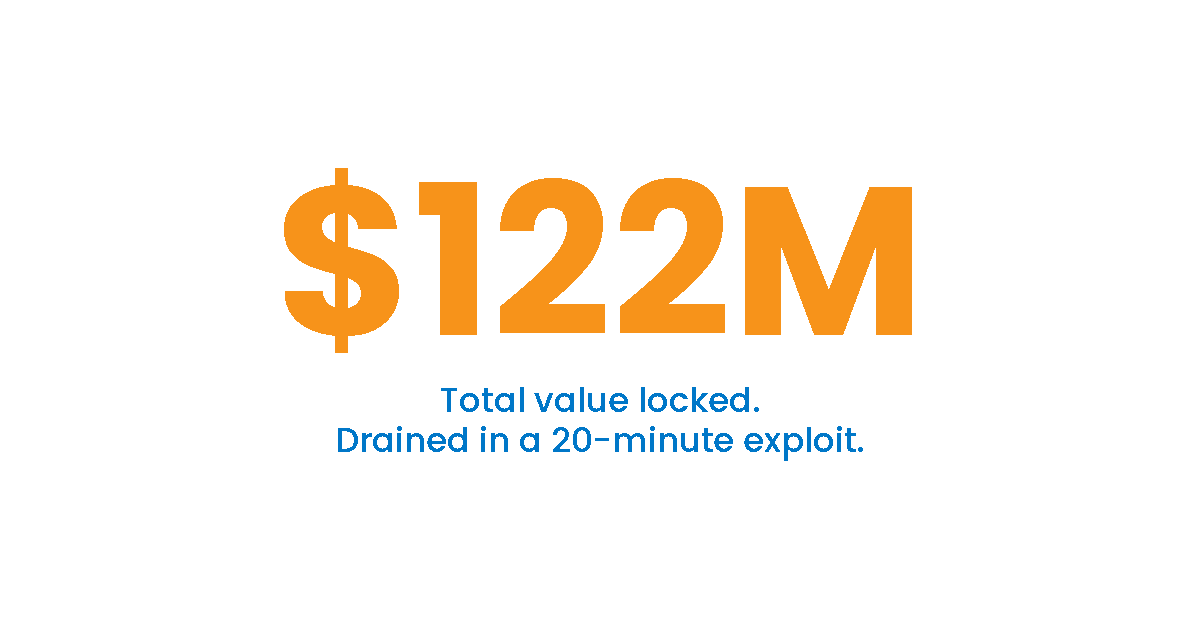
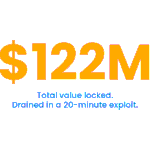
On Sunday, the Cronos network halted after an attacker drained roughly $75 million from Tectonic, the chain’s largest lending protocol. About $6 million made it across a bridge to Ethereum before validators managed to stop the network. Tectonic held around $122 million in total value locked before the exploit happened. This wasn’t a hack in the sense of stolen passwords or broken encryption. It was something more useful to understand: a collateral problem.
How the exploit actually worked
The attacker didn’t break into anything. They found a token, TONIC, that Tectonic accepted as collateral, and inflated its price by roughly 100 times in about 20 minutes. Once the protocol’s price feed reflected that inflated value, the attacker deposited the now-“valuable” TONIC as collateral and borrowed real assets against it — assets that had nothing to do with the manipulated token.
That’s the core weakness in a lot of DeFi lending: the protocol trusts whatever price it’s told, and if that price can be moved cheaply and quickly, the collateral backing a loan can be worth a fraction of what the system thinks it’s worth. Validators eventually froze the network to stop further withdrawals, but by then the damage had already crossed to another chain.
Why this matters even if you never touch Tectonic
I don’t trade on Cronos, and I’d guess most people reading this don’t either. That’s not really the point. The point is that this is a structural risk, not a one-off bug in one protocol. Any lending or yield product that lets someone borrow against a token with thin trading volume, a small market cap, or a single price source carries some version of this same risk. The bigger and more liquid the collateral asset, the harder — and more expensive — it is to move its price the way TONIC’s price was moved here.
That’s a different risk than the one most people picture when they hear “DeFi risk.” People worry about smart contract bugs, and that worry is fair. But a protocol can have flawless code and still be exploitable this way, because the vulnerability isn’t in the contract logic — it’s in what the contract is willing to accept as collateral in the first place.
What to actually check before depositing into a lending or yield protocol
Three things, and none of them require reading code.
First, look at what collateral types the protocol accepts. If it lists small-cap or thinly traded tokens as acceptable collateral, that’s a structural weak point in the whole pool — even if you personally never deposit that token, other users’ borrowed positions against it can still destabilize the pool you’re in.
Second, check how the protocol prices its assets. A single price feed, or one sourced from a thin market, is far easier to move than a price aggregated across several deep, liquid exchanges. This is usually written in the protocol’s documentation. It’s rarely hidden. It’s just rarely read.
Third, look at total value locked relative to the daily trading volume of whatever you’re depositing. Tectonic held $122 million in TVL. That’s not a small protocol, and it still wasn’t enough to stop a 20-minute manipulation. Size alone isn’t protection.
What I’d actually do with this
I don’t put money into DeFi lending beyond amounts I’d be fine writing off completely, and this is exactly why. A protocol can be well-built and well-funded and still get taken apart through the one door nobody was watching. Before depositing into any lending or yield product, spend ten minutes checking what it accepts as collateral and where its prices come from. That’s not a guarantee against anything — nothing is. But it’s the difference between understanding the risk you’re taking and finding out about it the way Tectonic’s depositors did.
Source: Crypto Daily News Update — August 31, 2026 (CoinStats AI)